

What Exactly Are Integral Blinds?
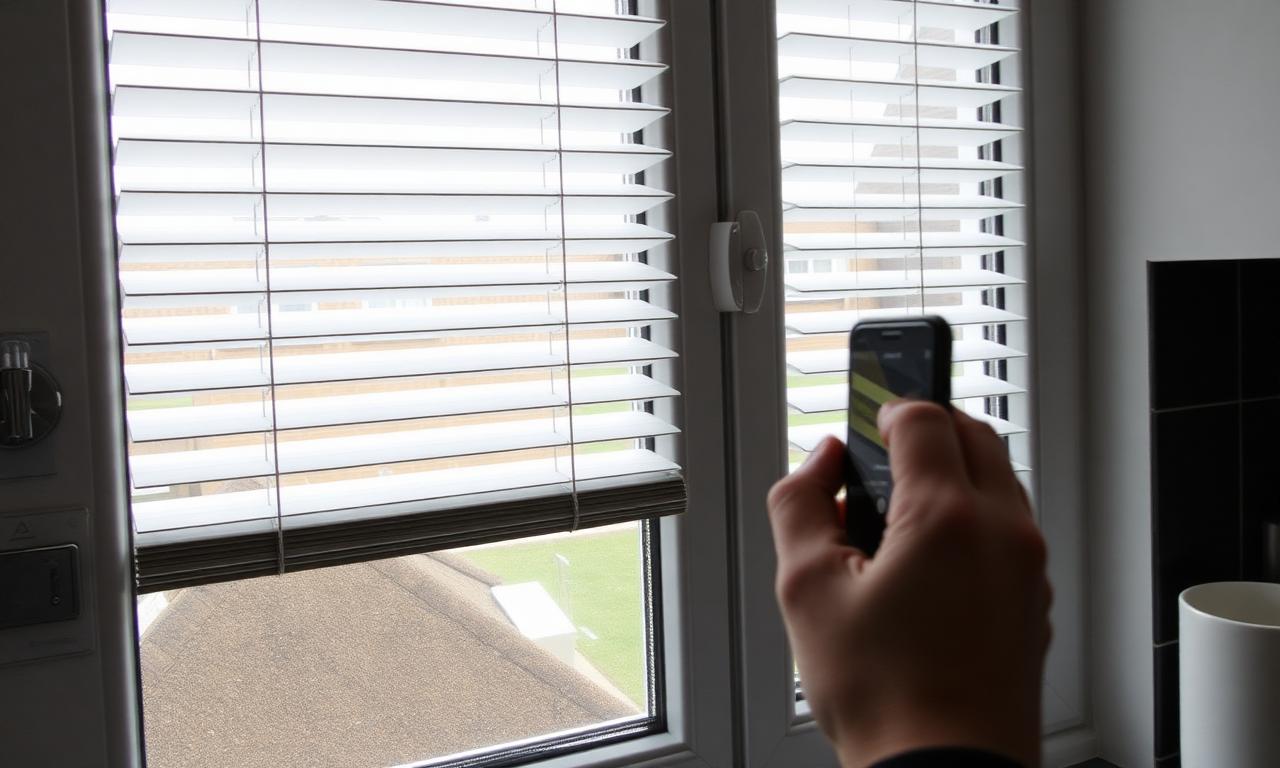
Integral blinds (you will also see them called integrated blinds, blinds-in-glass or between-glass blinds) are Venetian or pleated blinds built inside a double or triple glazed sealed unit at the factory. The slats sit in the gap between the two panes, permanently sealed away from dust, grease, pets and small children. You raise, lower and tilt them from outside the glass using a magnetic slider, a cord loop, or a motorised remote.
The key thing to understand: the blind is part of the sealed unit itself. It is not screwed to the frame and it is not an add-on clipped to the glass. That is what makes them maintenance-free, and it is also what makes getting the right unit specification important up front.
Why Homeowners Choose Them
- Nothing to clean. The blind never gathers dust or kitchen grease because nothing can touch it. For kitchens, bathrooms and bi-fold doors this is the single biggest selling point.
- Nothing to break. No dangling cords, no bent slats from cats, no faded fabric. The blind lives behind glass.
- Cleaner look. No bulky headrail or brackets on the frame - the window or door keeps its original lines.
- Perfect for doors. Traditional blinds on French, patio and bi-fold doors flap, snag and rattle every time the door moves. Integral blinds are fixed inside the glass, so doors open and fold freely.
- Safer for children. No accessible cords, which removes the strangulation risk that applies to conventional corded blinds.
How the Controls Work
There are three common control systems, and they are worth understanding before you order:
- Magnetic slider. A small slider runs up and down the edge of the glass on the room side. A magnet inside the unit follows it, raising, lowering and tilting the blind. This is the most popular option - smooth, reliable and nothing to plug in.
- Continuous cord loop. A neat looped cord on one side of the frame. Slightly cheaper, but the cord is external, which partly defeats the child-safety benefit.
- Motorised / remote. Battery or solar-powered motors inside the unit headrail, operated by remote or wall switch. Ideal for hard-to-reach glass, roof lanterns and large runs of bi-fold doors, and the option most people choose when blinds are going into every panel of a door set.
Can Integral Blinds Be Retrofitted to Existing Windows?
Yes - and this surprises most people. In the majority of cases your existing frames stay exactly where they are. We remove the old sealed units and fit new made-to-measure units with the blind built in. The job is essentially the same as replacing misty double glazing, just with a different unit going back in.
There are two things to check:
- Glazing depth. Integral blind units need a cavity - typically 20mm or more - so very old frames with shallow 4-4-4 glazing may not accept them. We confirm this at survey in about two minutes.
- Frame condition. If the frames are already on their last legs, it can make more sense to combine the work with new frames. If the frames are sound, retrofit is excellent value.
Our integral blinds page explains the retrofit process in more detail, and we have town-specific guides for Basildon, Billericay, Chelmsford, Brentwood and Southend.
Where They Work Best
Bi-fold and sliding patio doors are the number one application. A five-panel bi-fold with conventional blinds is a daily annoyance; with integral blinds each panel is self-contained and folds flat without interference. We cover the options in our integral blinds for doors guide.
Kitchens come next - no more grease-coated slats above the hob. Then bathrooms, where privacy and moisture make fabric and aluminium blinds a poor choice, and bedrooms and home offices, where the tilt control gives you glare management without losing daylight.
One honest limitation: standard integral Venetian blinds tilt and stack, but they are not a blackout solution. Light still creeps around the slat edges. If total blackout matters (shift workers, nurseries), a pleated blackout variant or a supplementary blackout roller is the better answer - ask us and we will tell you straight.
Colours, Slats and Styles
Slats are usually 12.5mm or 16mm aluminium and come in a wide range of colours - white, cream, silver and anthracite grey are the consistent best sellers because they sit quietly behind the glass. Pleated versions offer more fabric-style finishes. The spacer bar inside the unit can also be colour-matched (white, silver or warm-edge black) so the whole unit looks intentional rather than retrofitted.
What Do They Cost?
Pricing depends on unit size, the control system you choose (magnetic slider is the entry point, motorised costs more), slat style and the number of units being made in one order - and the different blind types vary a lot in price. Because of that we price integral blinds on request rather than publishing a flat rate: send us your rough sizes or book a free survey and we will give you an exact figure. As a rule of thumb, retrofitting blinds into existing frames is dramatically cheaper than replacing the windows.
Lifespan, Guarantee and Repairs
Because the blind is sealed inside the unit, the slats and mechanism are protected from the two things that kill ordinary blinds: dust and handling. Quality systems are rated for tens of thousands of operating cycles - decades of normal daily use. The units carry the same kind of sealed-unit guarantee as standard double glazing.
Two honest caveats:
- If the sealed unit itself fails and mists up, the whole unit (blind included) is replaced under guarantee - it cannot be opened and repaired.
- Cheap, unbranded systems are the ones that give integral blinds a bad name. We only fit established systems with UK parts availability, and we will tell you which one is going into your glass before you commit.
Common Questions We Get on Site
"Will they make my windows thicker or heavier?" The units are slightly heavier than standard glass, but well within the rating of any sound modern hinge or runner. We check hardware at survey.
"Can I still open the window?" Yes - the blind moves with the glass. Open, tilt-and-turn, slide, fold: all unaffected.
"What happens in winter with condensation?" The blind sits in the sealed cavity, so room-side condensation cannot reach it. As long as the unit seal is intact, the blind stays bone dry forever.
See Them Before You Decide
Photos only go so far - the tilt action and the magnetic slider are things you want to feel. We carry demo samples on surveys across Essex, so you can try the controls and see the colours against your own frames before committing. Book a free measure via the quote page or call us on 01268 962566.