
Why Triple Glazing Is Everywhere Right Now
National window brands are running big promotions on triple glazing - "free upgrade to triple" is this year's headline offer. Before you get excited, remember how showroom pricing works: the "free" upgrade is built into the headline price of the whole installation, which is often substantially higher than what a local specialist charges for excellent double glazing.
That does not mean triple glazing is a gimmick. It is genuinely better glass. The question is whether it is the best use of your budget for your home - and the honest answer is often no.
What Triple Glazing Actually Is
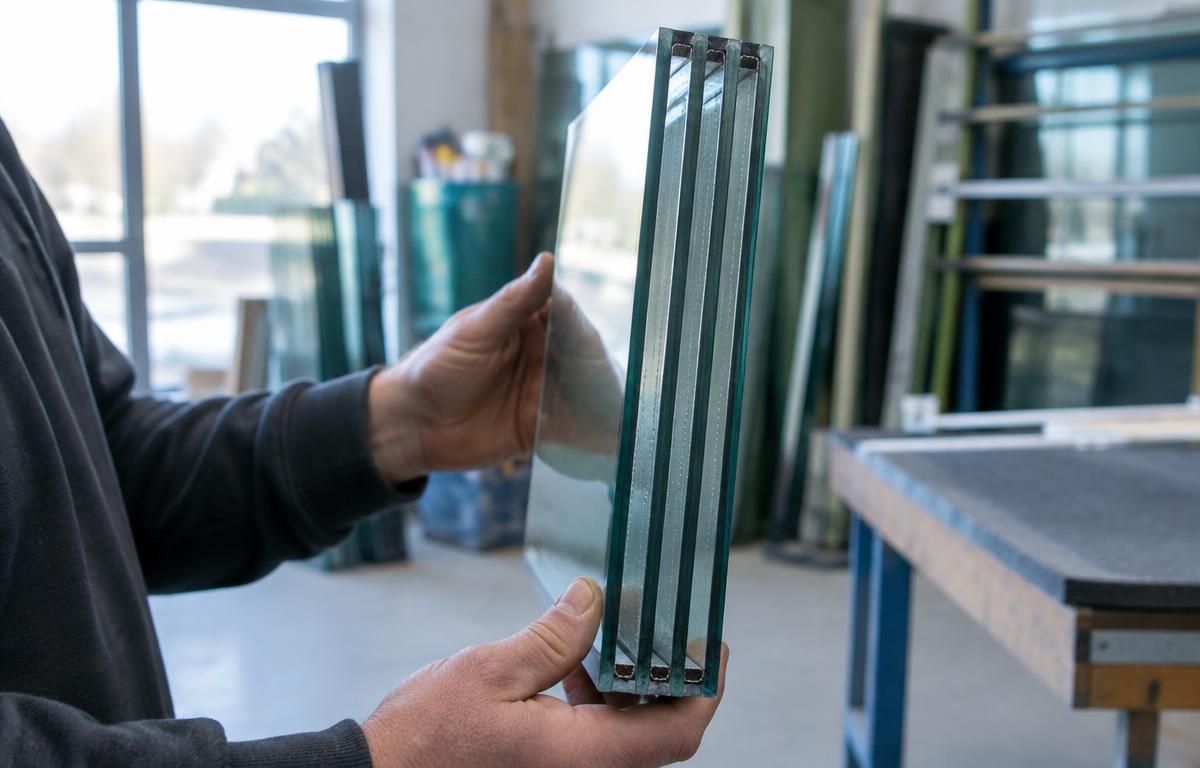
Triple glazing adds a third pane of glass to the sealed unit, creating two insulating cavities instead of one. Filled with argon gas and fitted with a Low-E coating, a quality triple glazed unit achieves a noticeably better U-value (a measure of heat loss) than a good double glazed unit. Modern double glazing typically sits around 1.2-1.4 W/m²K; quality triple glazing reaches around 0.7-0.9 W/m²K.
Three panes also mean three surfaces for noise to fight through, so triple glazing is measurably quieter - one of its most underrated benefits near main roads.
The Cost Difference in 2026
- Triple glazed sealed units typically cost noticeably more than the double glazed equivalent - expect roughly £150 to £300 more per window once the heavier unit and extra labour are accounted for.
- A whole-house triple glazing replacement commonly adds thousands of pounds compared with like-for-like double glazing.
- Frames matter. Triple glazed units are heavier and thicker, so many frames need the correct glazing depth and hardware rated for the extra weight. Older or budget frames may not accept them at all.
For context: a single replacement double glazed unit from a local specialist typically runs £85-£220 fitted depending on size. Anyone quoting £400-£800 per unit is paying for showrooms and salespeople, not better glass.
When Triple Glazing Is Genuinely Worth It
- Constant traffic or flight-path noise. If you live on a main road or under a flight path, the acoustic benefit alone can justify it.
- Very exposed sites. Open farmland and coastal plots lose heat faster; the extra insulation pays back quicker.
- Large areas of glass. Bifold walls and big garden-facing elevations lose the most heat, so the upgrade does more work there.
- Brand-new frames. If you are buying new frames anyway, specifying triple at the outset is easier than retrofitting later.
When Good Double Glazing Is the Smarter Spend
Here is the part the showrooms do not tell you: most UK homes with tired double glazing are losing far more heat through failed units than through the physics of double vs triple. A blown, misty unit with a failed seal performs nothing like it did when new. Replacing misty units with modern, argon-filled, Low-E double glazed units fixes the biggest energy loss in the house at a fraction of the cost of re-glazing everything in triple.
Our replacement sealed units are argon gas filled with Low-E coating and warm-edge spacer bars as standard - the same building blocks triple glazing uses, in a unit your existing frames accept. See our window upgrades page for how we improve glass without replacing sound frames.
The Upgrade Nobody Mentions: Better Glass in Existing Frames
If your frames are sound, the smartest efficiency upgrade usually is not new windows at all. It is new glass:
- Low-E energy glass reflects warmth back into the room while letting daylight through.
- Argon-filled cavities slow heat transfer between the panes - all our replacement units are argon filled.
- Warm-edge spacer bars cut heat loss around the glass edge and help limit condensation.
- Solar-control glass tames glare and summer heat in hot, sunny rooms.
This costs a fraction of a full triple glazing installation, keeps your existing frames, and is usually complete in a day. If you already have a misty or blown unit, you are replacing the glass anyway - so upgrading the specification costs little more.
Our Honest Verdict
Triple glazing is excellent glass, and if noise or an exposed location is your priority, it is worth the premium. But for most Essex and East London homes, the sequence that genuinely pays is: first replace any failed or misty units, then upgrade the surviving glass to argon-filled Low-E units, and only then consider triple glazing for the rooms where it earns its keep - typically bedrooms on busy roads or large south-facing glass walls.
Not sure which camp you are in? Send us your rough window count and postcode via the quote page or call 01268 962566. We will survey the frames, tell you honestly where the heat is going, and give you a fixed written price for the option that actually suits your home.