

The Short Answer
If you're having replacement windows fitted in England after 15 June 2022, the new windows must usually include trickle vents - even if your existing windows didn't have them. The rule comes from the updated Approved Document F (ventilation) and aims to fix a slow-burning problem: modern airtight homes have nowhere for moisture and stale air to go.
This guide covers when the rule applies, when it doesn't, what trickle vents actually do for condensation and energy bills, and what it means if you're only replacing the sealed glass unit (you don't need them at all - keep reading).
What Changed in June 2022 (and Stays in Force in 2026)
Approved Document F was tightened to require background ventilation in all habitable rooms when windows are replaced. In practice this means:
- New replacement windows in habitable rooms (living, dining, bedrooms) must include trickle vents sized to a minimum of 8,000mm² equivalent area for each opening.
- Kitchens, bathrooms and utilities must have either trickle vents or another compliant background ventilator.
- If your existing windows had trickle vents, the replacements must too.
- If your existing windows did not have trickle vents, the replacements must be no worse than what was there - which in practice still means new vents in most habitable rooms.
The Document F update was driven by post-pandemic ventilation research and the steady airtightness gains in modern double and triple glazing.
When the Rule Does NOT Apply
- Sealed unit (glass-only) replacement - if we're replacing just the blown or cracked glass inside your existing frame, you are not "replacing the window" and trickle vents are not required.
- Listed buildings and certain conservation areas where conservation officers refuse vent slots in heritage frames.
- Properties with a continuous mechanical ventilation system (MVHR) that already provides background ventilation to a verified standard.
- Scotland, Wales and Northern Ireland follow their own regulations - the requirements differ in detail.
What Trickle Vents Actually Do
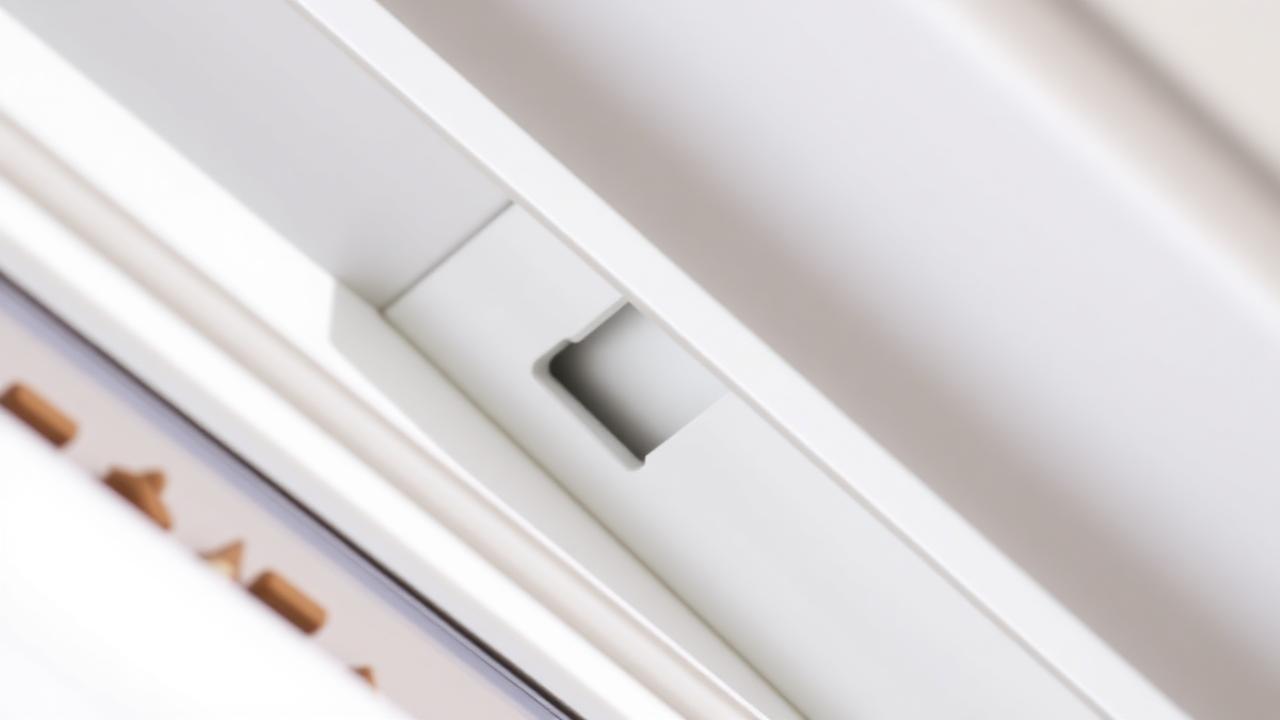
A trickle vent is a small horizontal slot, usually in the top of the frame, with an internal flap that lets you open or close it. It allows a measured amount of background air exchange - about 8 cubic metres per hour at typical UK pressures - without the heat loss of an open window.
The Three Things They Help With
- Condensation control. A family of four releases around 14 litres of moisture into the air every day from cooking, breathing, showering and drying laundry. Without ventilation that moisture deposits on the coldest surfaces - usually window glass and external walls - and feeds black mould.
- Indoor air quality. Cooking fumes, VOCs from carpets and furniture, and rising CO2 levels in bedrooms all clear faster with background ventilation.
- Combustion safety. Open fires and older gas appliances need a background air supply to burn cleanly.
The Honest Trade-Off
Trickle vents do let in a small amount of cold air. In a typical UK home with eight new vents that adds up to roughly 1-2 percent extra annual heating energy. Almost every homeowner finds this is more than offset by the elimination of window-edge condensation and the related cost of cleaning, redecorating or treating mould.
Critics often point to draughts. In our experience, well-fitted modern vents (Greenwood, Glazpart and Titon are the brands we trust) are inaudible and undetectable when properly closed.
Cost of Trickle Vents
- Included in new replacement windows - usually at no extra cost from a reputable installer.
- Retrofit to an existing uPVC window - £45 - £80 per vent supplied and fitted, including the frame slot.
- Retrofit to an existing aluminium window - £75 - £120 per vent (cleaner cut required).
Sealed Unit Replacement - The Loophole That Isn't a Loophole
Because Approved Document F only applies when the window is replaced, swapping just the sealed glass unit inside an existing frame falls outside the rule. This is one of the genuine, often-overlooked benefits of choosing repair over full replacement: you keep your original frame, your original ventilation profile, and you avoid the cost of new vents.
Read our full breakdown of the trade-off in window repair vs full replacement.
Already Got Condensation? Don't Wait for New Windows
If your existing windows are streaming with morning condensation, retrofit trickle vents are the cheapest fix. They take 20 minutes per window to install. Combined with a kitchen and bathroom extractor fan and a habit of opening windows for 5 minutes morning and evening, almost every condensation problem clears within a fortnight.
For a clear walk-through of the underlying causes, see our guide to stopping window condensation.
Get Honest Advice for Your Property
We're a repair-first business so we won't try to upsell you a full window. If you've been told your home needs new windows for "ventilation reasons", we'll happily come and tell you whether retrofit vents (or sometimes nothing at all) would do the same job for a fraction of the cost.